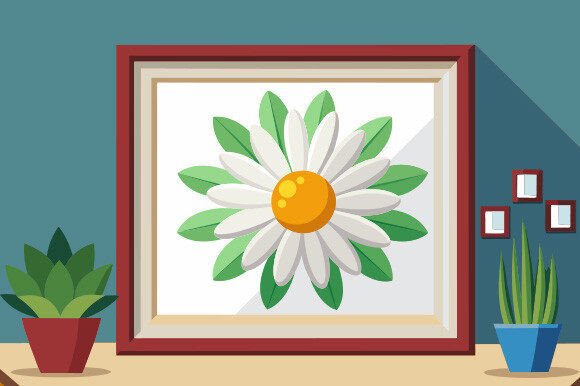
Daisy Flower Vector Design Graphics for Print Templates
First Impressions and Editorial Mood
The Daisy Flower Vector Design immediately captures attention with its clean lines and soft, natural curves. It carries a gentle, approachable aesthetic that feels both modern and timeless. This design asset exudes a sense of calm and simplicity, making it ideal for content that aims to evoke warmth, positivity, and a touch of elegance.
Visually, the daisy flower vector design leans toward a feminine and artistic vibe, which makes it particularly well-suited for lifestyle, wellness, and creative niches. Its delicate yet bold presentation can support editorial content that ranges from educational guides to inspirational blogs. The design’s versatility allows it to adapt to various tones—whether you're aiming for a playful, seasonal feel or something more professional and polished.
Real Publishing Use Cases
As an experienced blog designer, I’ve seen how the right graphic design asset can elevate a publishing workflow. The Daisy Flower Vector Design is a valuable addition to any digital publisher's toolkit. It works exceptionally well in several key areas:
- Blog Featured Images: A strong visual anchor at the top of your article can significantly boost engagement. The daisy flower vector design serves as an excellent hero image that draws readers in.
- Pinterest Pins: With its clean and eye-catching nature, this design is perfect for social media graphics, especially on Pinterest where visual appeal is crucial.
- Website Headers: Whether used as a banner or header, the daisy flower vector design adds a touch of sophistication to your website layout.
- Newsletter Graphics: The design can be easily adapted into newsletter headers or promotional graphics, helping to reinforce brand identity and visual hierarchy.
- Canva Templates: This graphic is highly adaptable and works seamlessly within Canva, allowing publishers to create custom templates for downloadable resources, digital guides, and lead magnets.
- Downloadable Resources: From worksheets to printable designs, the daisy flower vector design offers a great foundation for creating high-quality, branded content upgrades.
- Social Media Posts: Its clean style makes it ideal for Instagram, Facebook, and Twitter visuals, supporting both organic and paid content marketing efforts.
Supporting Content Performance
Incorporating the Daisy Flower Vector Design into your publishing strategy can have a direct impact on content performance. Here are some key benefits:
- Stronger First Impression: A visually appealing graphic can make your content stand out in a crowded digital space, increasing the likelihood of clicks and shares.
- Clearer Visual Hierarchy: When used alongside well-structured text, this design helps guide the reader’s eye through your content, improving readability and comprehension.
- Better Click-Through Potential: High-quality visuals like the daisy flower vector design can increase the click-through rate on blog posts, affiliate links, and downloadable resources.
- More Consistent Branding: By using this design consistently across your site, you build a stronger brand identity that resonates with your audience.
- Improved Reader Trust: Professional-looking visuals contribute to a sense of credibility, making your content more trustworthy and engaging.
- Better Category Recognition: The daisy flower vector design can help your content stand out in specific categories, such as lifestyle, education, or creative design.
- Stronger Visual Identity: This design supports the creation of a cohesive visual identity that aligns with your brand values and audience preferences.
- More Professional-Looking Content Pages: Whether it's a blog post or an eBook cover, the daisy flower vector design elevates the overall look and feel of your content.
Where It Works Best
The Daisy Flower Vector Design excels in environments where visual appeal and brand consistency are key. Some of the best use cases include:
- Hero Images: As a primary visual element, it commands attention and sets the tone for your content.
- Article Thumbnails: Used in blog feeds or search results, it helps differentiate your content from competitors.
- Pinterest Pins: Its clean and colorful design makes it ideal for creating shareable content on this platform.
- Blog Graphics: Whether it's a sidebar graphic or a featured image, it enhances the visual experience without overwhelming the reader.
- Editorial Accents: It can be used as a subtle background or accent in editorial layouts, adding depth and interest.
- Content Upgrades: The design supports the creation of high-value downloadable resources that align with your brand voice.
- Category Visuals: It helps define and reinforce the theme of specific sections or categories on your website.
- Social Media Previews: Its adaptability makes it perfect for generating engaging previews that encourage clicks and shares.
Where to Use Carefully
While the Daisy Flower Vector Design is versatile, it may not be suitable for every context. Consider using it cautiously in situations where:
- Small Mobile Thumbnails: On mobile devices, the design may appear too small or lose its impact when scaled down.
- Text-Heavy Blog Images: If the graphic is placed next to dense text, it might distract from the content rather than complement it.
- Low-Contrast Backgrounds: Ensure the design has enough contrast against the background to maintain readability and visual clarity.
- BUSY Layouts: Avoid placing it in overly complex layouts where it could become lost or overshadowed by other elements.
- Serious Professional Niches: While it can work in some professional contexts, it may not be appropriate for industries that require a more formal or minimalist aesthetic.
- Corporate Content: For very serious or corporate websites, the design may feel too whimsical or unprofessional.
- Websites with Minimalist Visual Systems: If your site already uses a very simple visual language, the daisy flower vector design might introduce unnecessary complexity.
Publisher Notes for Optimal Use
To ensure the Daisy Flower Vector Design performs at its best, consider these practical tips:
- Test on Desktop and Mobile Screens: Make sure the design looks great across all device sizes and resolutions.
- Check Thumbnail Appearance: Preview how it looks as a thumbnail in blog feeds or search results.
- Preview in Real Blog Layouts: Test the design within your actual blog or website to see how it integrates with your existing design system.
- Test with Headline Text: Ensure the design complements your headline text without overpowering it.
- Check Contrast and Readability: Confirm that the design maintains legibility against different background colors.
- Try It in Black and White: This helps identify any potential issues with color usage or composition.
- Place It Beside Different Font Styles: Test the design with serif, sans-serif, script, and display fonts to find the best pairing.
- Review File Size for Web Performance: Large files can slow down your website, so always compress images properly.
- Confirm Commercial Licensing: Before using the design on monetized websites, affiliate pages, or paid content products, verify that you have the proper commercial license.